On 20 April 2026, TVNZ announced that audio description (AD) capability has been introduced on its on-demand platform, TVNZ+.
This marks a significant step forward for accessibility in Aotearoa.
A long-awaited development
For many people in the blind, deafblind, low vision and vision impaired community, television is an important way to connect with news, culture and shared experiences. While Able has provided audio description services in New Zealand since 2011, its absence on local on-demand platforms has remained a key gap.
The introduction of AD capability on TVNZ+ is an important and long-awaited move toward more equitable access to content — particularly as audiences increasingly shift toward on-demand viewing.
Audio description in Aotearoa has grown steadily over the past 15 years. From just two hours per week in 2011, there are now around 140–150 hours of AD available each week across local free-to-air channels.
A milestone worth recognising
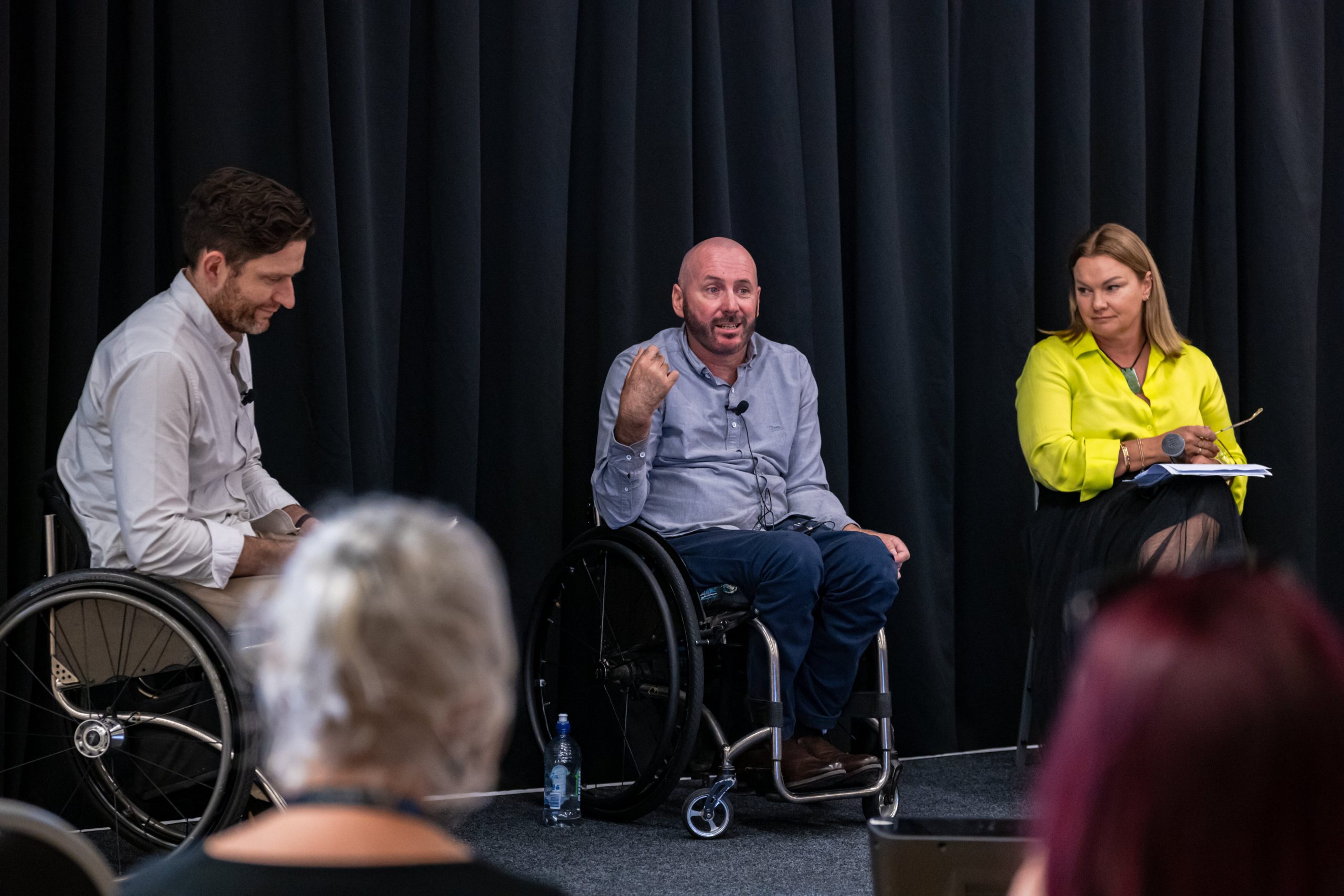
Dan Buckingham, Chief Executive of Able, says:
‘We congratulate TVNZ on the refresh of their streaming platform, TVNZ+. As a local free-to-air broadcaster, every day they are competing against the giants who also live on the devices in our pockets and the screens in our living rooms – giants called Netflix, Disney+ and Apple TV. Being in competition with the deep pockets of international streamers is no small feat, and they do it very well.
It was amazing to know that after logging in on Sunday morning that Shortland Street would now be available with both captions and audio description! There is still much to do, and the work rolls on, but once and a while it’s worth stopping to celebrate a milestone, especially as we all continue to lean in and love local.’
Still more to be done to build on the success
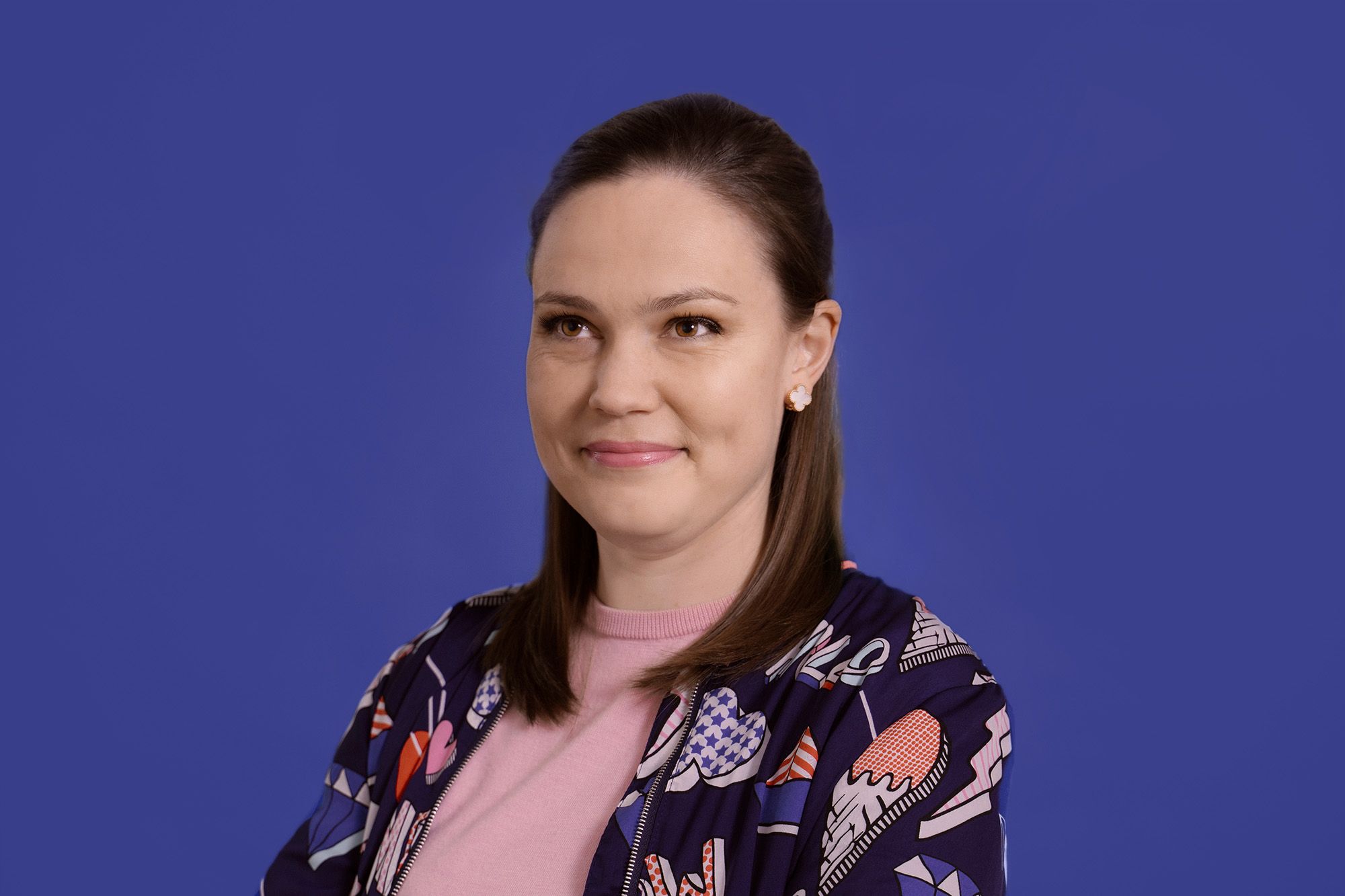
Thomas Bryan, board member and blind sector representative for Able, says:
‘As a board member for Able I’m very happy that a positive step has been taken towards accessibility; the investment of public money that goes into creating AD via Able should now be so much more effective by having accessible content available online via TVNZ+ as well as TVNZ’s broadcast channels.
At the same time, as someone who is blind and deeply engaged in the blind community, I can’t help but be cognisant that there is still so much more to be done with TVNZ+. Websites that adhere to Web Content Accessibility Guidelines (WCAG) and apps that also meet accessibility guidelines, and are built with screen reader functionality need to go hand in hand with ensuring accessibility, and usability for people who are blind and vision impaired. This way we too can independently watch what we want to watch, just like anyone else.’
What viewers need to know
At this early stage, it’s important to note that audio description availability on TVNZ+ is limited. Not all content will include AD, and discoverability of accessible content is not yet a seamless experience.
We also recognise that broader accessibility features, including screen reader support, adhering to the Web Content Accessibility Guidelines and intuitive navigation, are critical to ensuring that blind users can independently find and access content. At present, the experience is not yet meeting the expectations of all users.
We expect this to improve over time as the platform develops.
Looking ahead
The introduction of audio description on TVNZ+ represents meaningful progress for media accessibility in New Zealand, but it is one step in a broader journey.
Continually seeking to increase the number of hours of audio description and captions Able delivers, and expanding the availability of these services across platforms, improving accessibility of user interfaces, increasing awareness of the service, and ensuring consistent access all remain important priorities.
We remain committed to working alongside broadcasters, partners, and the communities we serve to support the continued growth of audio description and captions — and accessible viewing experiences more broadly — across all New Zealand platforms.